How film processing works: a beginner’s guide
A clear introduction to what happens after you hand your exposed roll to the lab, from chemistry and scanning to quality checks and delivery.
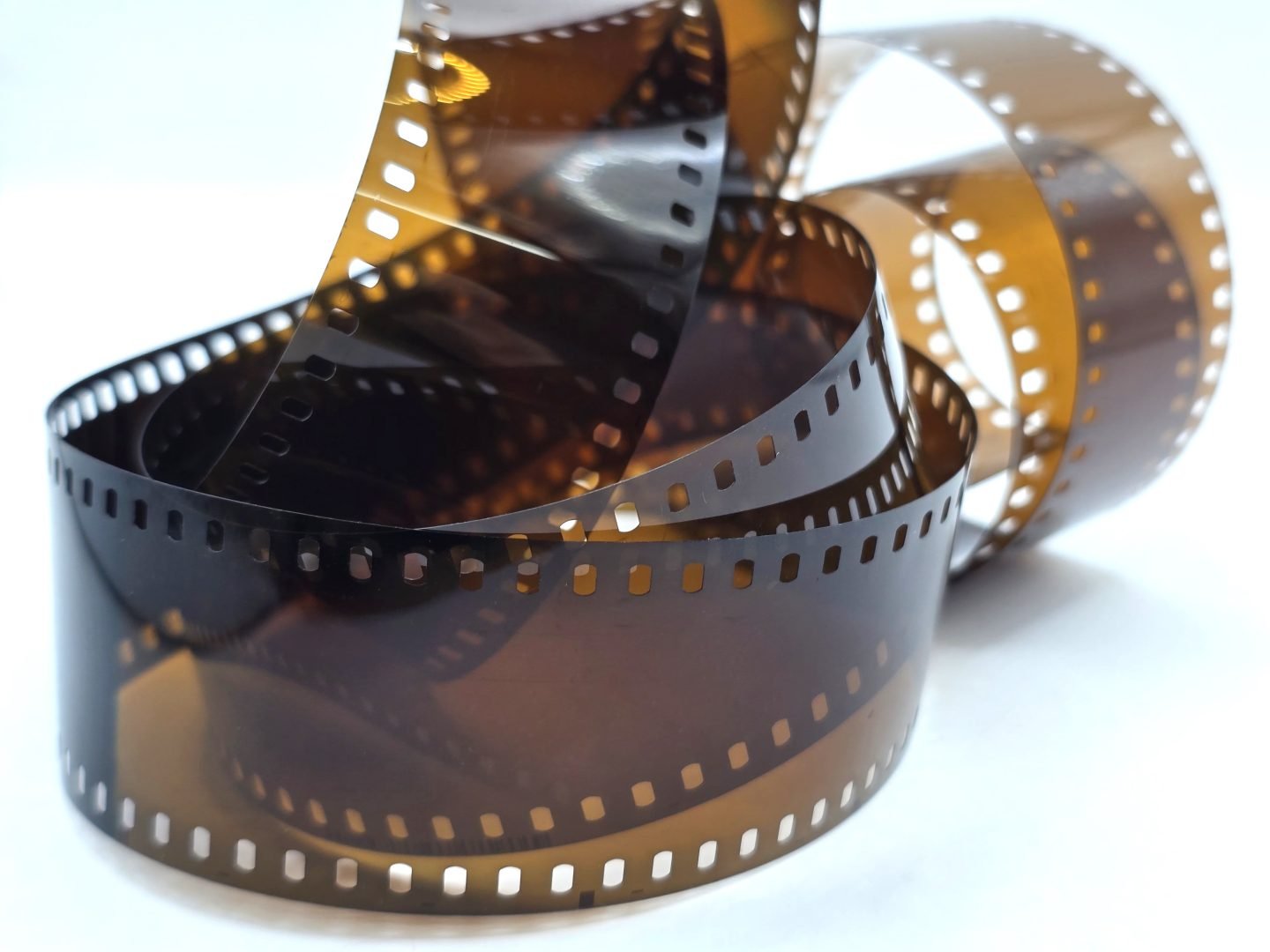
When you finish a roll, the photographs are still invisible. The lab uses controlled chemistry to turn the exposed film into stable negatives.
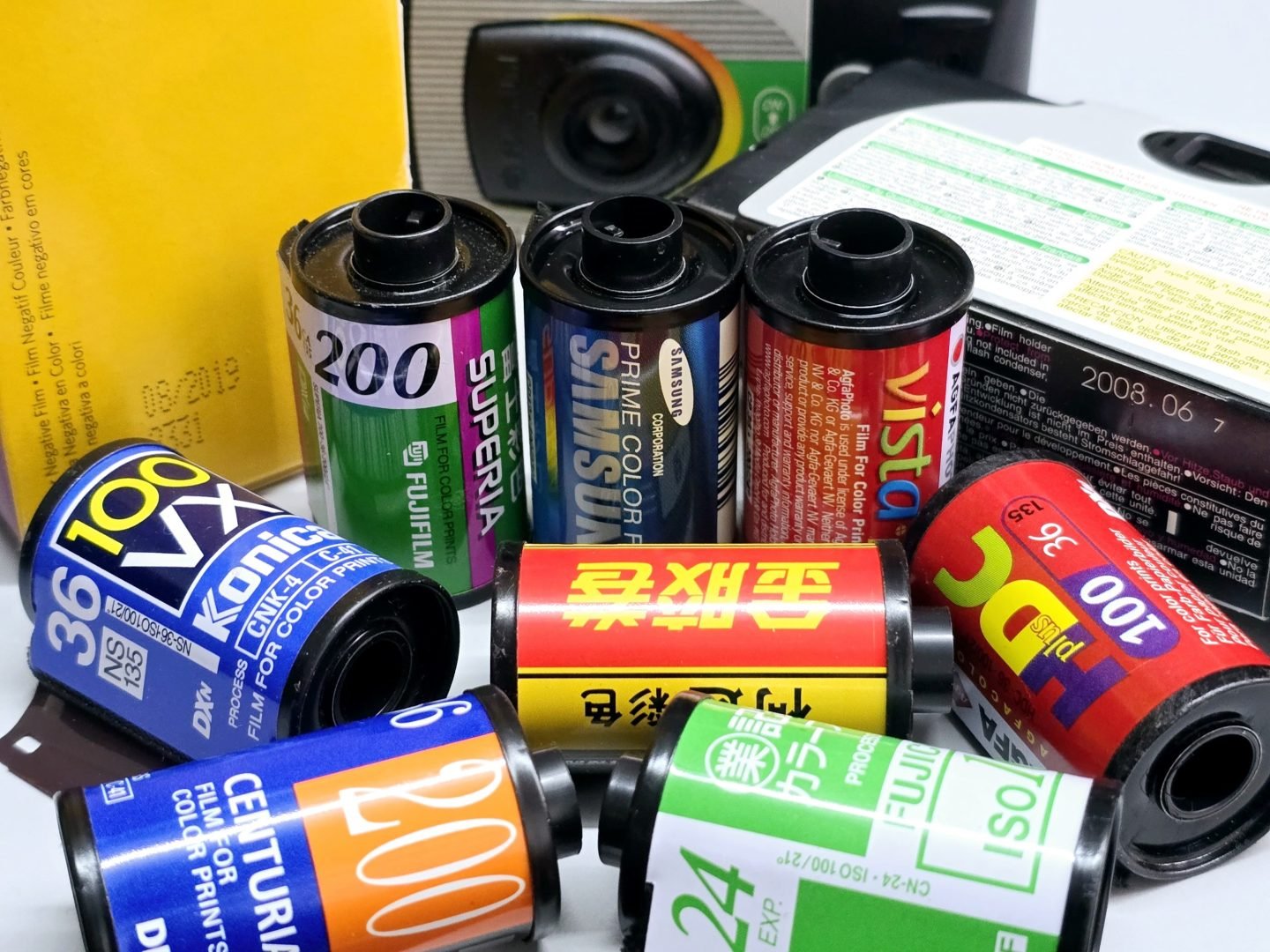
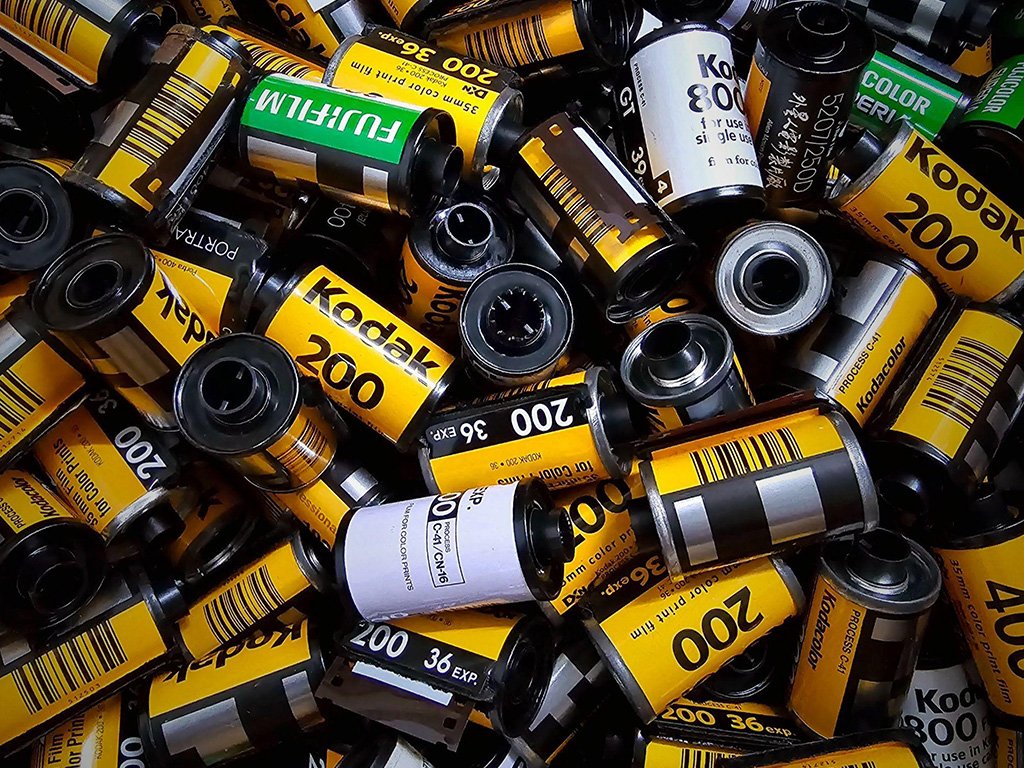
First, identify the film process printed on the cassette or backing paper. Most colour-negative film uses C-41. Traditional black-and-white film needs different chemistry, while motion-picture film may require ECN-2 processing.
After development, the film is washed, dried and inspected. It is then scanned at the quality selected in your order. Our team checks colour, exposure, focus and file delivery before releasing the photographs.
Keep the film away from heat, water and strong light before processing. Include your order number and any instructions for pushing, pulling, cutting or returning the negatives.
If you are unsure which service to choose, contact Filmlab before ordering. A photograph of the film cassette or backing paper is usually enough for us to guide you.